
En Aawa Trees Foundation at UNCCD COP17
As UNCCD COP17 in Ulaanbaatar, Mongolia comes to a close, En Aawa Trees Foundation reflects on an important step forward in our mission to combat desertification, restore degraded land and build resilient communities across the Sahel.
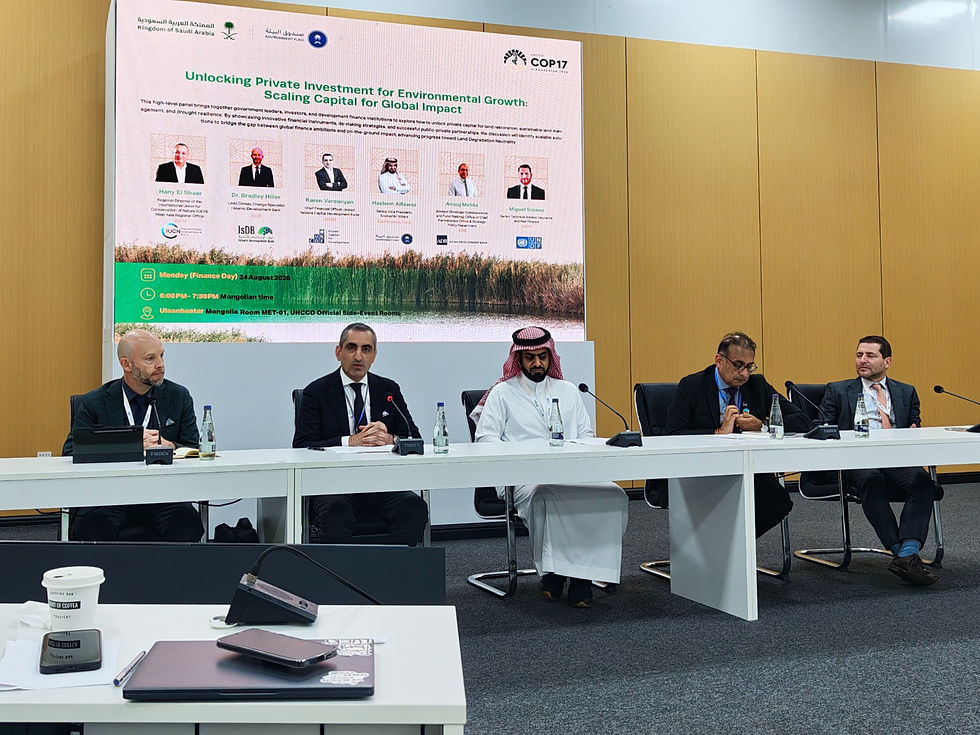
Since COP16 in Riyadh, the global conversation around land degradation and drought has continued to gain the urgency it deserves alongside the climate and biodiversity agendas. For En Aawa, COP17 was an opportunity to strengthen relationships, learn from experiences around the world and, most importantly, consider how global commitments can translate into practical action on the ground.

One message stood out: there is no single solution to land degradation. In many arid and semi-arid regions, drought is the baseline, making resilience about slowing its intensification while restoring ecosystems and strengthening livelihoods. This requires a systems approach that connects land, water, food, livelihoods and communities.
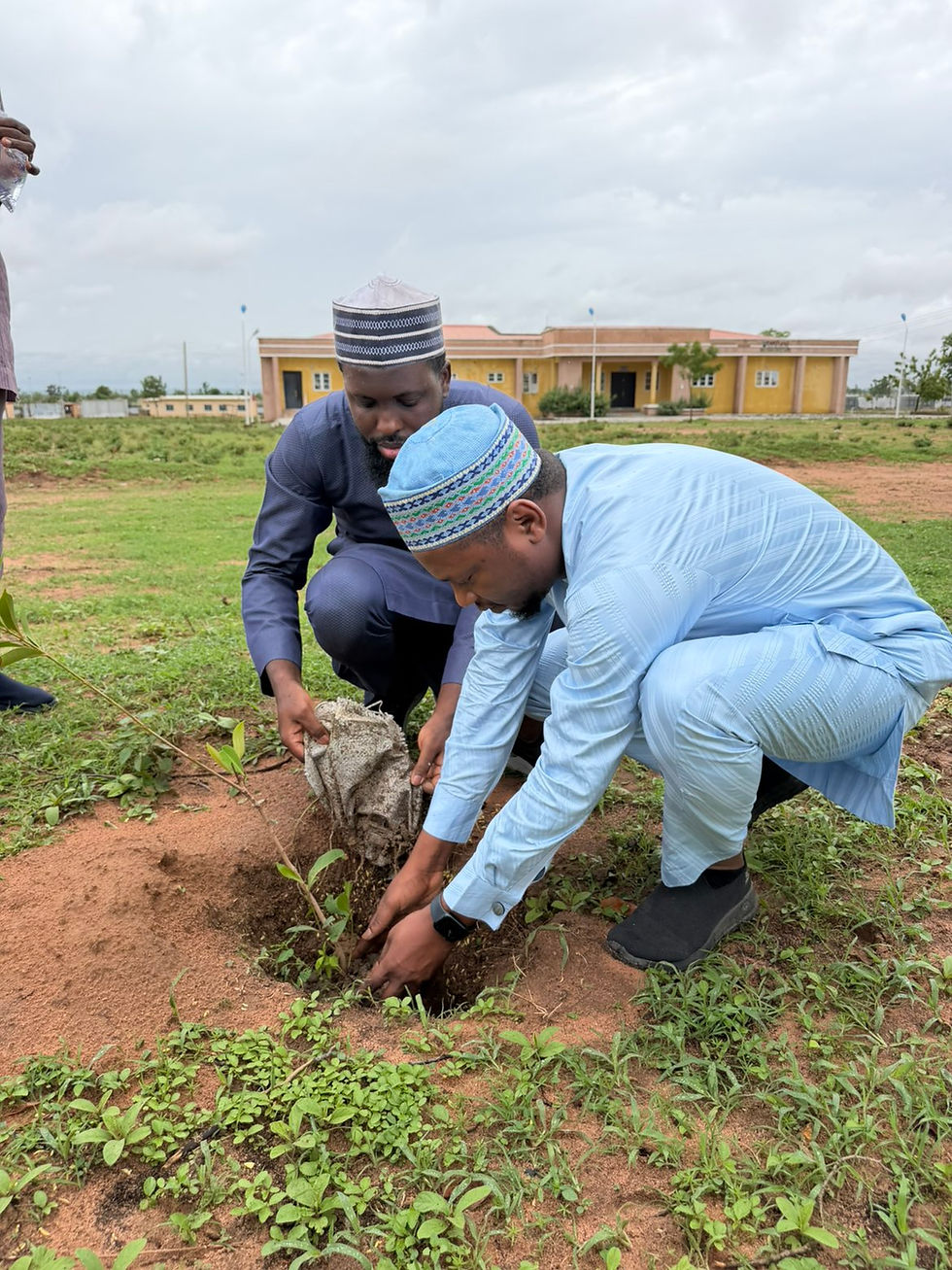
Over the past years, En Aawa has planted more than 7,000 trees across 30+ communities, while engaging more than 200 people. We also launched our inaugural Sports4Land exhibition football match, using the power of sport to bring communities together and raise awareness around land restoration. The initiative was incredibly well received, and we are now exploring opportunities to expand it with new partners.
Our next phase is about expanding and deepening our impact. We aim to extend our work across three Nigerian states, engage two additional universities as partners in research and action, and develop partnerships with international governments and NGOs working on land restoration, drought resilience and sustainable development.
We also intend to expand beyond tree planting. While afforestation and restoration remain central to our work, we will increasingly work with rural communities on regenerative agriculture, helping restore soil health, improve productivity and strengthen livelihoods while reducing pressure on natural ecosystems.
Regional collaboration will also be essential. Building on our work in Adamawa and our partnership in Chad, we intend to deepen engagement with stakeholders and members of government in neighbouring states, including Taraba and Borno, while exploring opportunities to expand our work further across the Sahel.

COP17 was attended by Abubakar Garba, Co-Founder of En Aawa Trees Foundation, representing the Foundation in conversations with governments, organisations, practitioners and other champions of land restoration from around the world.
The message from Ulaanbaatar is clear: we know much of what needs to be done. Now we need to scale what works, coordinate our efforts and turn ambition into action. There is still a long way to go, but En Aawa remains committed to playing its part... One Tree, and One Partnership at a time.


Comments